Plantar Fascia Tears: A Dreaded Sports Injury

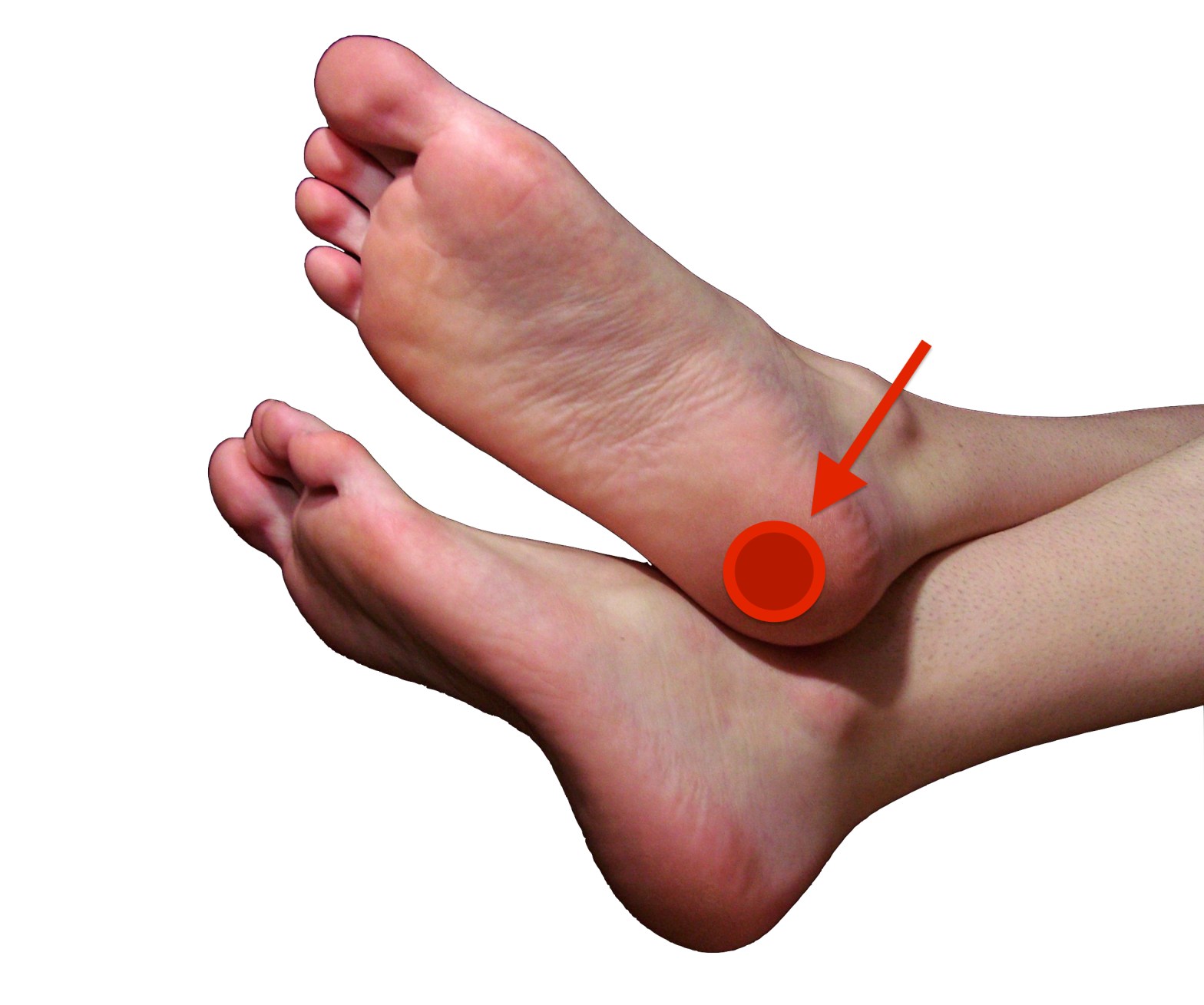
Plantar fascia tears are infrequent but relatively common athletic injuries involving a ligament on the bottom of the foot in the arch, and can cause significant pain and disability in sports and daily activity.  It usually is an injury that sidelines most lower level athletes and makes daily walking difficult for non-athletes.

The plantar fascia is a series of three tight rubbery bands that stretches from the heel bone to the ball of the foot.  It acts as a stabilizer of the arch as well as tissue that helps contain the vital structures of the bottom of the foot.  Strain and damage to this tissue is the most common cause of heel pain and arch soreness, and occurs in many people on a chronic, daily basis.  Actual tearing or rupturing of the plantar fascia fibers is a far less frequent injury.  It can occur in a chronically strained fascia that simply ruptures out of weakness.  More commonly in athletes, it occurs as a direct result of force that drives the front part of the foot up, with the back part of the foot near the arch remaining stable.  This results in excessive stretch to the plantar fascia, and the fibers that compose this tissue tear in a partial manner.  Stepping on a small blunt object can also sometimes force a rupture of the fascia.

The plantar fascia will not tear all the way across it’s width, as it is composed of several bands.  However, a tear can form lengthwise that runs along the distance of the arch.

Symptoms include a sudden popping or snapping sensation in the bottom of the arch, or a sensation that something there ‘gave’.  It is followed by significant pain in the heel or arch, and swelling and bruising may also be seen.  Simple pressure into the arch may produce excessive pain, as does simple standing and walking.

Treatment of plantar fascia ruptures essentially involves rest, icing, and immobilization of the foot in a walking boot or less commonly in a cast with crutches.  As the fascia tear heals over the course of a month, it may require further treatment to improve its tissue integrity and flexibility, including physical therapy.  Orthotic shoe inserts are of great importance to keep the fascia stable after the tear has healed, and help prevent re-injury.  High level athletes may be able to advance their recovery with concentrated taping and continuous therapy programs, but most people will need about 4-6 weeks to recover from this injury.  In some cases, pain can persist in the form of chronic plantar fasciitis, and require a different kind of treatment in the long term to relieve pain.  Finally, surgery may be needed in rare cases that do not respond to any other kind of treatment.

The Nature of Your Foot Pain Can Clue You As To the Cause

Foot pain can have many different causes, and sometimes the actual cause is not immediately clear if the pain feels like it is spread over a wide area. Fortunately, the nature of the pain itself can sometimes provide a clue as to the actual origin. It is not uncommon in cases where pain is felt in several areas of the foot at once that the doctor must rely on the type and timing of the pain to assist in making a proper diagnosis. Today I will discuss different types of foot pain and what they may reveal about its cause. Keep in mind, this is a general discussion about the cause of foot, and may not accurately reflect each individual case. Your actual symptoms need to be addressed by a podiatrist, as a foot exam is vital to making a proper diagnosis.

Throbbing or aching: This type of pain typically indicates inflammation from some type of injury. This can include sprains, strains, chronic injuries, bruises, or bone stress. It is probably the least specific type of pain.

Sharp or stabbing pain: These symptoms usually indicate a more significant injury, and a more focused area of injury. Conditions with sharp pain include tissue tears from more significant sprains, bone injuries (including fractures), nerve injuries, penetrating foreign objects, wounds and skin tears/lacerations, and more focused bruises or blunt injuries (like a crushing injury).

Ripping or tearing pain: The searing nature of this pain often means there is a ligament, tendon, or other similar tissue that is still in the process of tearing, pulling apart, or is otherwise unstable and needs to be immobilized.

Pain felt in the heel more in the morning or after getting out of a chair: This pain is usually associated with plantar fasciitis, a condition involving chronic injury to a ligament in the arch and heel.

Numbness, burning, electrical, or tingling when walking, but not when at rest: These symptoms may suggest a pinching or irritation of a nerve within the foot itself. When the pain is felt in the ball of the foot, it could suggest a neuroma, which is a thickened nerve near one of the toe bases that may also be accompanied by a sensation of a pebble or hot marble in the foot. When the pain is felt on the inner side of the ankle, heel, or in a general manner to the bottom of the foot or the toes, the issue could be with nerve pinching in an area called the tarsal tunnel. This condition is similar in nature to carpal tunnel syndrome in the wrist.

Numbness, burning, electrical, or tingling when sitting in a chair for awhile or lying down: These symptoms suggest that the back may be responsible for the foot pain. Lower back arthritis or a slipped disk can cause irritation to the branches of the spinal nerve that give sensation and muscle control to the legs and feet. When one is sitting or lying down, bending or strain on the back can cause these symptoms to appear. Additionally, many diseases that cause nerve dysfunction, such as diabetes, can create the above symptoms, particularly at night.

Constant, never ending foot pain worsened when the foot is elevated: This type of pain indicates poor circulation, and often is accompanied by leg pain when walking a short distance, cold and discolored feet, and thin skin.

Remember, always see your podiatrist when you develop foot pain that does not go away after a couple days. Foot pain is NOT normal at any age or activity level, and only indicates that something has been injured or is damaged. The above descriptions can serve as a general guide as to the basic nature of the problem, but only a physician’s foot exam can lead to the proper diagnosis. Your podiatrist is the best place to start, as your primary care/family doctor will only be versed in a few basic foot diseases/injuries and may not be able to recognize or quickly treat more complicated conditions.

Pain on the outside of your foot? It could be due to peroneal tendonitis.

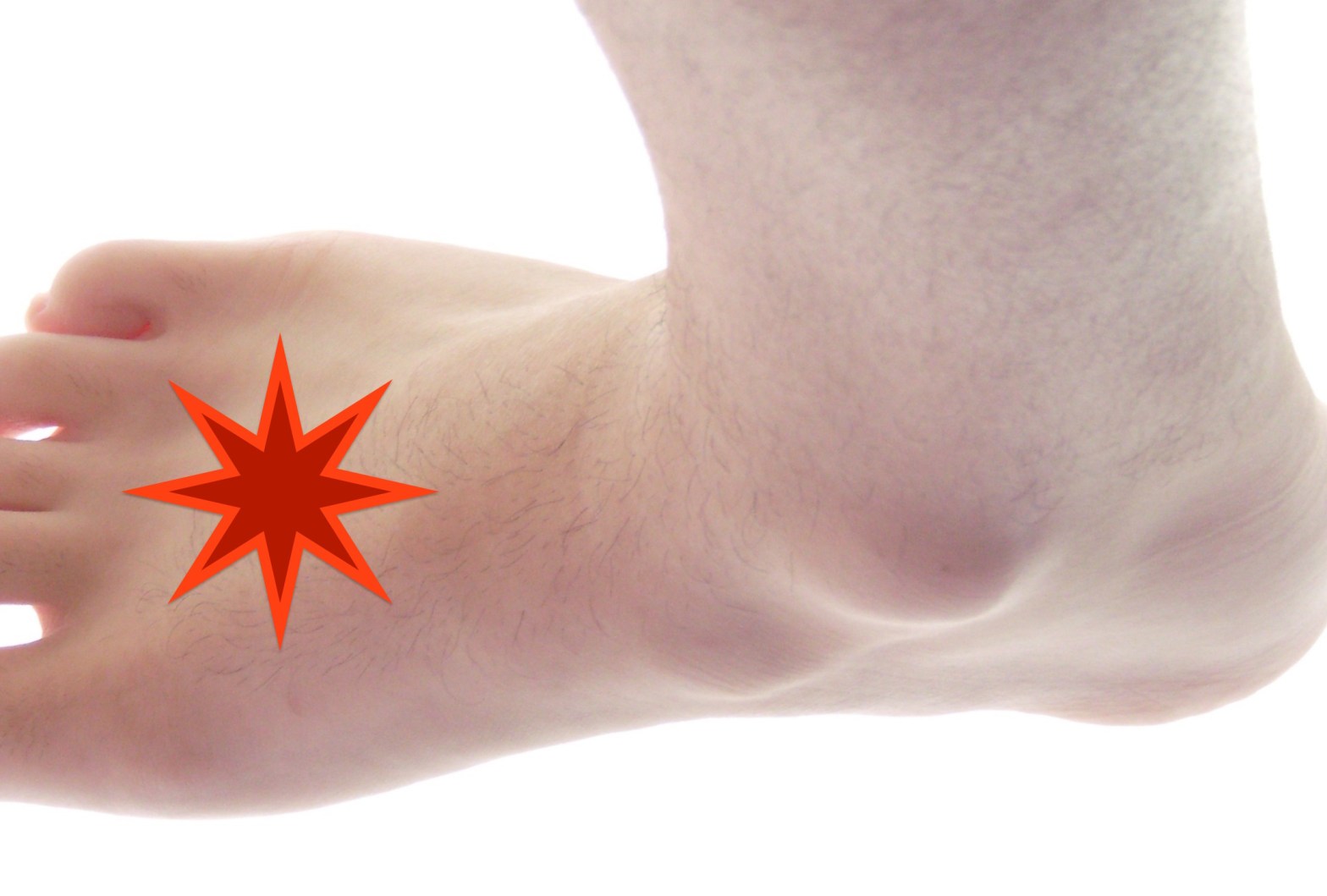
A common foot injury often misdiagnosed as a complex ankle sprain is called peroneal tendonitis.  The peroneal tendons are two in number, and run together under the outside of the ankle joint, where they stay together for a couple inches until they reach the middle part of the side of the foot.  It is here that one stays on the side of the foot, attaching to the bone prominent on the outside of the foot.  The other longer tendon runs underneath the foot to attach near the other side.  These tendons are known as everters, because they help the foot to roll to the outside, or evert.  This motion is very important during the normal walking cycle, and helps to balance the more powerful muscles on the other side of the foot that draw it inward.

The peroneal tendons can become injured during simple ankle sprains, as the twisting force that tears ankle ligaments can stretch and injure the peroneal tendons running near the ligaments.  However, the peroneal tendons can also become injured without having a specific sprain.  Walking on uneven surfaces, simple excessive climbing, using unstable shoes, and even compensating for arch pain can lead to peroneal tendonitis.  Because the symptoms, which may include pain around and under the outside of the ankle, are similar to the pain of an ankle sprain, it is often misdiagnosed as an ankle sprain. The typical pattern of pain also includes sharp or achy pain to the side of the foot, where the majority of the time the pain is at it’s strongest.  Bearing weight on the injured foot, twisting it inward, and moving on uneven ground like lawns or gravel can aggravate the pain.  There is rarely ever swelling or bruising visible on the side of the foot, and there is never a cracking or popping sensation (unless the tendons are moving over the ankle bone or a fracture has occurred on the side of the foot- both of which are different conditions).

Fortunately, the treatment of peroneal tendonitis is not too different from that of an ankle sprain, so if there is a misdiagnosis at least the recovery process is similar.  In general, peroneal tendonitis needs rest, ice, anti-inflammatory medications, and ankle brace support.  Cases that don’t respond to these measures need physical therapy to help with healing and strengthen the tissue.  The difference in treatment from an ankle sprain lies in that if physical therapy is needed to improve the recovery, a misdiagnosis could lead to imprecise therapy and a poor result.  In addition to the above treatment, severe cases of peroneal tendonitis may require immobilization of the leg or surgery to repair the tissue damage.  It is not uncommon for partial tears of the tendon to accompany the tendonitis, and often these need to be surgically repaired if the pain is not resolving with non-surgical treatment.

Is a neuroma really a pinched nerve?

A neuroma is a common foot malady that does indeed involve a nerve in the foot, and is often described by health care professionals, general medical doctors or orthopedists, and even podiatric specialists as being a pinched nerve. This is often done to simplify the medical language for a patient, but I think when my colleagues do this they do a disservice to their patients as that description is in actuality not very accurate. I try to avoid the term pinched because it conveys a different sense of what is going on in the foot as opposed to a ‘pinched’ nerve in the back. Nerves in the feet can get pinched in narrow tunnels, primarily at the ankle level. However, the neuroma is a different condition that has more of a mechanical irritation externally causing the nerve damage rather than a constricting band around the nerve itself causing pinching.

In a traditional neuroma, the nerve at the center of the pain is one of five found on the bottom of the foot, between one of the long bones (metatarsals). As this nerve reaches the toe bases, it splits into two branches, each supplying sensation to two adjacent toes. It is at this spot, near the head of the metatarsal, that the nerve becomes inflamed. There is a ligament that sits on top of this nerve that, when bowed down as the foot flexes and flattens a little, can irritate the outer covering of the nerve. Over time, this irritation causes the outer layer to swell and become fibrotic, or scarred. The process is similar, but slightly different, in a high arched foot where there is more direct pressure on the nerve from the prominent and inflexible position of the ball of the foot on the ground. Regardless of the cause, as the nerve covering thickness increases, external pressure on the foot from standing and walking can cause pain to develop. If the scarring is thick enough, the pressure from the adjacent metatarsals can also cause pain if a shoe is tight enough to constrict the foot.

The distinction between this and ‘pinching’ may seem trivial, but in regards to treatment the correct understanding of the underlying cause of a neuroma is very important. Because it is mechanical irritation, and not nerve constriction (pinching), treatment does not necessarily have to involve surgery. In mild to many moderate cases, the simple use of shoe inserts designed to reduce pressure to the ball of the foot can help prevent the nerve from becoming irritated again one the inflammation is reduced with medication. This can in many cases preempt surgery, and still result in long and lasting relief. Although I have performed many surgeries for this condition, I have just as much, if not more, success treating it without surgery.

Did you know you can get bursitis in your heel?

While most cases of pain on the bottom of the heel are caused by plantar fasciitis, some are not.  A common alternate cause of heel pain is a condition called bursitis, and it can lead to severe pain directly on the bottom of the heel.

Bursitis is inflammation of a bursal sac, which is a pad of tissue that can be found throughout the body, protecting bony prominences as well as other sensitive tissue.  In the bottom of the heel, the bursa is not necessarily a naturally occurring object.  In general, unlike many other bursas, this bursa is more reactive, meaning that it forms as a result of abnormal pressure and irritation under the heel.  The bursa becomes irritated when the heel bone of a person with a flat foot rotates excessively as it will naturally do during walking, generally exposing the bottom of the heel tissue to a more irritating part of the heel bone that is not usually prominent on the bottom of the heel.  Eventually, a bursal sac will form to protect the irritated soft tissue under the heel bone, and in turn this will become irritated itself.  Other causes for bursitis include walking for extended periods on rocky or bumpy surfaces, high arched feet with poor shock absorption capabilities, as well as poor heel fat pad in older people with a prominent heel bone resulting.  I have even often seen this condition in people who have a more angular shape to the bottom of the heel bone as opposed to a more normal rounded shape.

Bursitis can often be present at the same time as plantar fasciitis.

Treatment of bursitis under the heel is relatively simple.  Steroid injections often take care of the inflammation in and around the bursa, usually more effectively than anti-inflammatory medication taken orally.  Ice helps, as well as increased shock absorption via gel heel inserts or orthotics with soft heel padding.  Surgery is typically not an option, as the attempt to find and remove the bursa can lead to more damage to sensitive tissue such as nerve bundles within the heel, making things worse.

My Experience With The Indianapolis Motor Speedway’s Incredible Customer Service

As the big race approaches this weekend here in Indianapolis, I would like to share a personal story regarding how incredible the Indianapolis Motor Speedway is at providing customer service, and how many businesses could learn from them.

Two weeks ago while attending the Indianapolis Grand Prix, I had also picked up my 500 race day tickets from will call, as well as a couple of tickets to enter the track the Friday before the race.  Known as Carb Day, it is a great day to watch the drivers take practice laps, view the Indy Lights race and the Pit Stop Challenge, and this year catch Steve Miller in concert.  I secured the long tickets in a newly purchased lanyard to keep the tickets smooth and unbent (they are collectible for those who know, and folding them is a horrible shame!)  After the Grand Prix ended, spectators were allowed about an hour or so to wander the race track.  As I made my way from turn 2 backwards to the famous yard of bricks at the finish line, the wind kept flipping my lanyard around behind my back.  By the time I made it to the bricks, I noticed my lanyard was a bit light.  Several of my tickets were gone.  Fortunately the more expensive race day tickets were still in, but my Friday tickets were gone.  I begrudgingly accepted my $60 loss with a few choice words, and moved on.

Later the next week, I received a customer service call from the Speedway, explaining that a track technician had found one of my lost tickets.  Apparently even a non-race day general admission ticket is still linked to its purchaser, and the personnel at the track took the time to deliver the ticket to the ticket office, look me up, call, and ask how I would like to arrange for its pick-up.  They even offered to make arrangements to replace my other lost ticket that was not found.  This is from a facility that will likely see over 100,000 people on Friday as well as race day.  One lost ticket is but a drop in the bucket of attendance, but these wonderful people took the time to care for their customers, and make arrangements to return the lost ticket as opposed to simply having said customer purchase a new one.

Bravo, Indianapolis Motor Speedway.  Your class shines through even during the hectic lead up to the biggest event in racing.

The Annoying Metatarsal Stress Fracture

Metatarsal stress fractures are a common foot injury that can be quite a nuisance to heal.  The metatarsals are the five long bones in the foot that form a bridge between the toes and the middle of the foot.  These roughly drumstick-shaped bones are fairly sturdy, but can be fractured during twisting injuries, or something heavy smashing down upon the top of the foot.  These fractures are treated with either immobilization in a walking boot, or surgery if the bones are out of place or unstable.  This treatment is straight forward, and is successful usually in a fairly set amount of time.

A stress fracture is something entirely different.  Stress fractures occur when bone is subjected to long term low grade stress and strain that slowly causes internal damage to its interior.  These stresses can be common place activities like steeping off of platforms at work, or lever and pedal use.  Even the position of the foot on a cross bar under a desk can put strain on the metatarsal.  Poorly supportive shoes can magnify the risk of bone injury, and some people are even at greater risk for a stress fracture because of issues with the quality of their bones.

Stress fractures can have multiple symptoms, ranging from a dull ache in the middle of the foot to a sharp pain while standing and walking.  Stress fractures can occur in many places along the metatarsal length, and can sometimes occur in several bones at once.

The treatment of metatarsal stress fractures is a little trickier than treating a regular fracture.  In most instances, surgery is neither necessary nor helpful.  Immobilization in either a walking boot, or less commonly a cast, is needed to reduce stress to the bone and allow it to heal.  A stiff soled shoe can be used for support in a small number of mild cases for relief.  Most metatarsal stress fractures take anywhere from one to three months to heal, and sometimes take longer.  The bone simply needs time to mend, although in some cases an electronic bone stimulator can be used in cases that refuse to heal.   The amount of time one must wait can be frustrating for people trying to get active again.  It can be even more frustrating for athletes trying to get back to their sports.  Fortunately, these stress fractures do eventually heal, and stay healed for the most part.

New article added to the website about foot and ankle injuries in baseball…

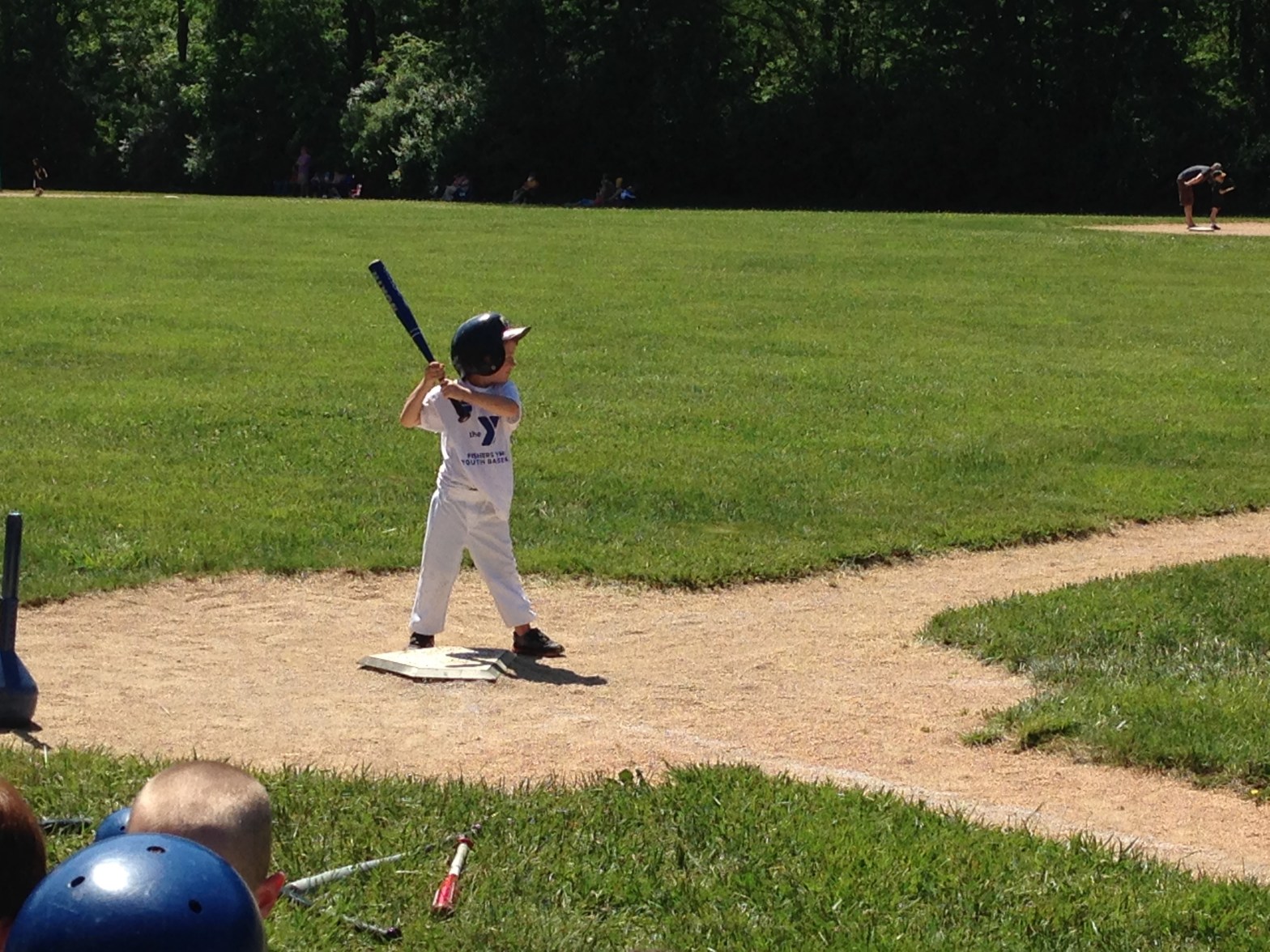
As baseball season is in full swing, many families out there have children who are participating in youth baseball leagues, or are playing for junior high, high school, or collegiate teams.  While baseball is a very safe sport to play, injuries can occur and the foot and ankle can be involved in some of those injuries.  Check out the link below to see a great article on these injuries and how they can be treated.

https://scottkilberg.com/foot-and-ankle-pain-information/sports-injuries-of-the-foot-and-ankle/common-foot-and-ankle-injuries-found-in-baseball/

Avoiding Heel and Foot Pain With Sandals

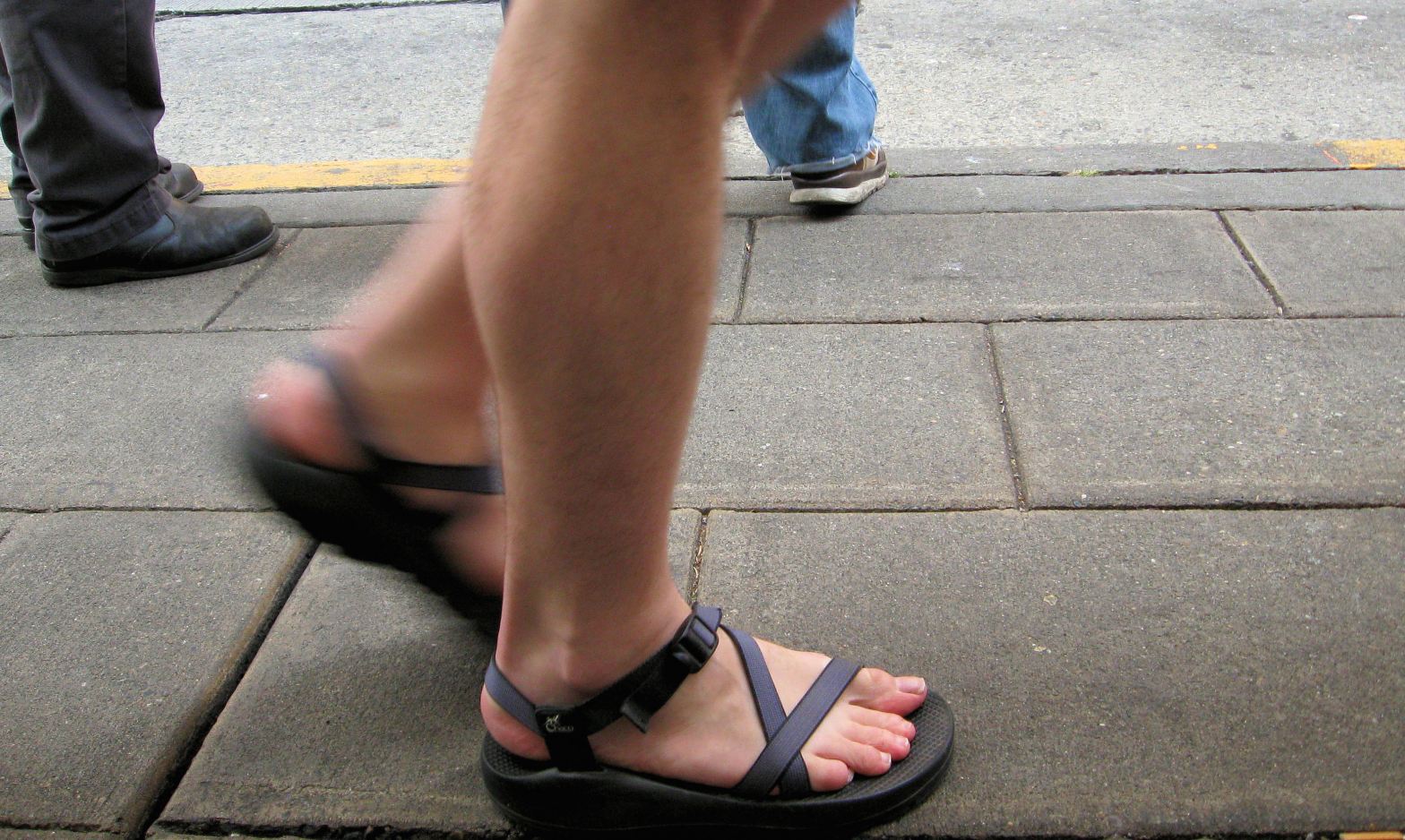
As the weather begins to gradually warm, many people begin the annual migration from enclosed shoes to sandals.  Sandals feel great when the weather is hot, and are very easy to put on and slip off.  Sandals range in build from minimal flip flops to all terrain sports sandals for light hiking  It is an unfortunate fact that some people will gradually injure their feet while in sandals over an extended period, especially the heels.  This injury can take a long time to develop and may not even be noticed until the late summer or early fall, but will cause pain and activity limitation regardless.  This can be avoided by being sensible with one’s choice of sandals, and I would like to offer some advice on how you can still enjoy sandals in the summer without developing pain.

The reality of the situation is that many sandals manufactured today, as in the past, are not very supportive.  Most sandals have flat or thin soles, and flip flop sandals in particular do not stay on the foot well.  Over time, the force applied to the arch of the foot will lead to strain of a ligament on the bottom of the foot known as the plantar fascia.  Once strained, this ligament becomes inflamed and can tear microscopically.  This then leads to more significant pain as the strain continues and the plantar fascia is unable to heal.  People who have lower arches, as well as people who have higher arches tend to more easily injured.  Those with so-called ‘normal’ foot structures can also injure the plantar fascia, just not as easily,

There is a way to avoid this strain altogether and still be able to wear sandals in the summer.  The key is to select sandals that are better constructed to contour the arch and lend more support.  While traditional and fashion sandals do a poor job of this, a newer generation of support-minded sandals are sold in stores everywhere which feature a raised arch bed that cradles the arch and reduces strain to the plantar fascia.  These types of sandals have a much less likelihood of generating strain to the arch, and are much better for the feet.  Traditional strappy flat sandals and inexpensive flip flop sandals should be avoided in general, outside of around the pool or on the beach.  Anyone with a history of heel or foot pain should be especially careful in their selection of sandals.  In central Indiana, there are a number of quality shoe stores that carry these better products, and while they may cost more they will be well worth it in maintaining a foot pain-free summer.

If you happen to develop heel or foot pain after wearing sandals, it is very important you seek treatment.  Plantar fascia injuries and other types of foot pain caused by strain are generally easy to treat, but often will not simply go away on their own.  Many people make this assumption, leading to pain that can last for months to years.  Be sure to see your local podiatrist if you have any questions on what kind of sandal or footwear is right for your foot, or if you start to develop heel or foot pain over the course of this summer.

Don’t Let A Pinched Nerve in the Foot Affect Your Golf Game

While golf may not be as physically demanding as some sports, it does cause its share of injury to the body.  The foot and ankle can be injured in any activity that requires movement over uneven terrain, or when un-natural rotation of the foot has to take place.  A particularly bothersome injury seen in golf is the development of a pinched nerve in the ball of the foot, also known as a neuroma.  This nagging injury can make golfing decidedly not fun, but can have simple solutions for both treatment and prevention.

In my in-progress sports injuries section of my website, I have posted an article discussing this injury as well as treatment options and ways to prevent it from occurring in the first place.  Check it out through the link below!

https://scottkilberg.com/foot-and-ankle-pain-information/sports-injuries-of-the-foot-and-ankle/golf-injuries-pinched-foot-nerve/