Pain Under the Big Toe Joint: Sesamoiditis

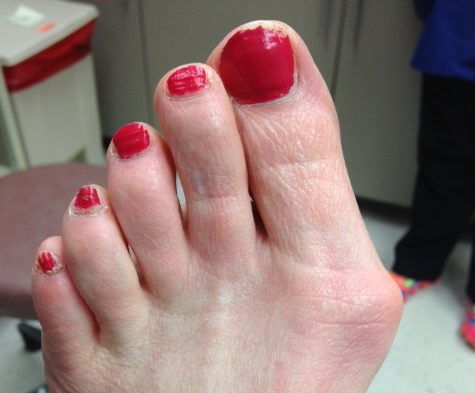
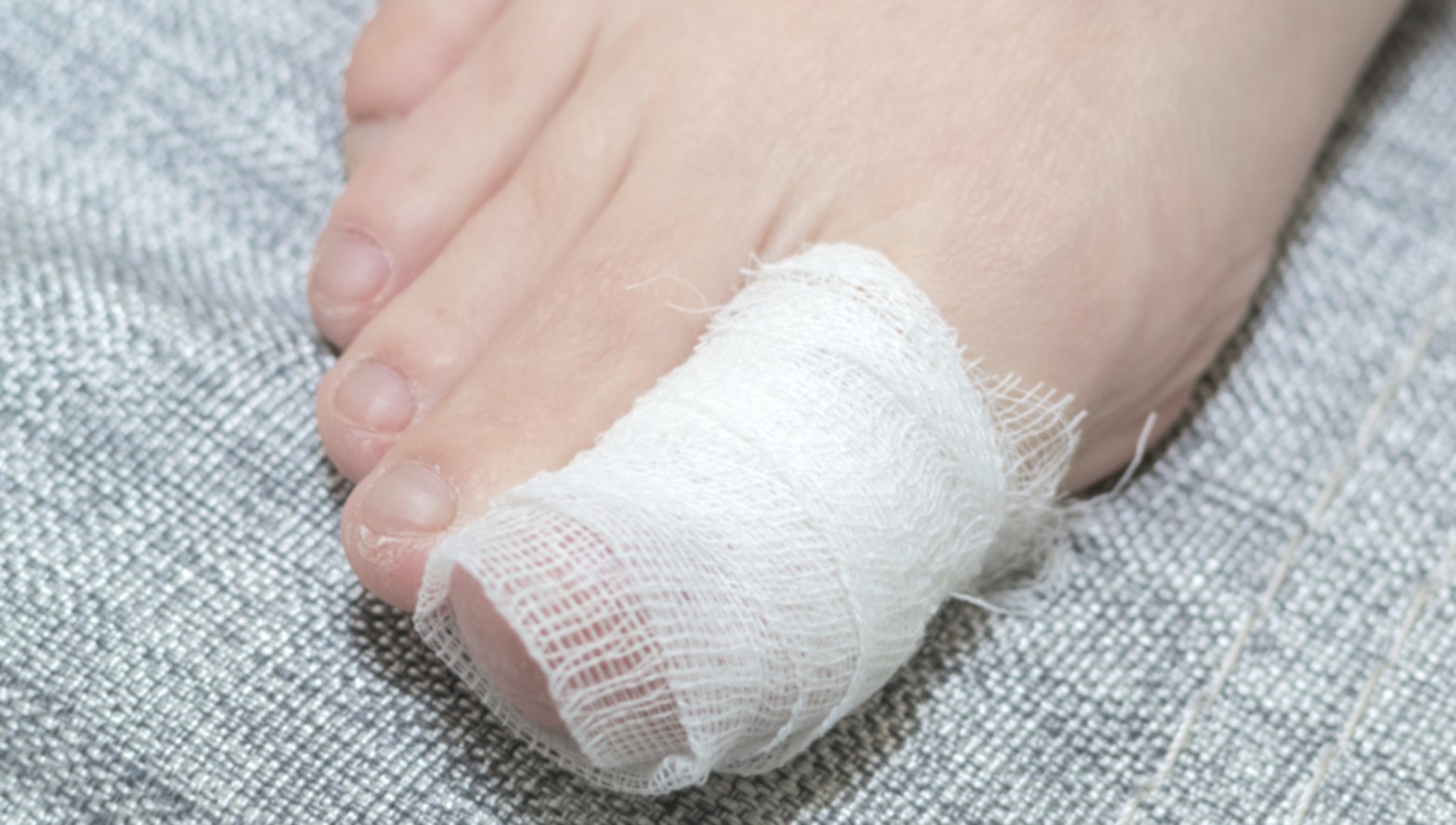
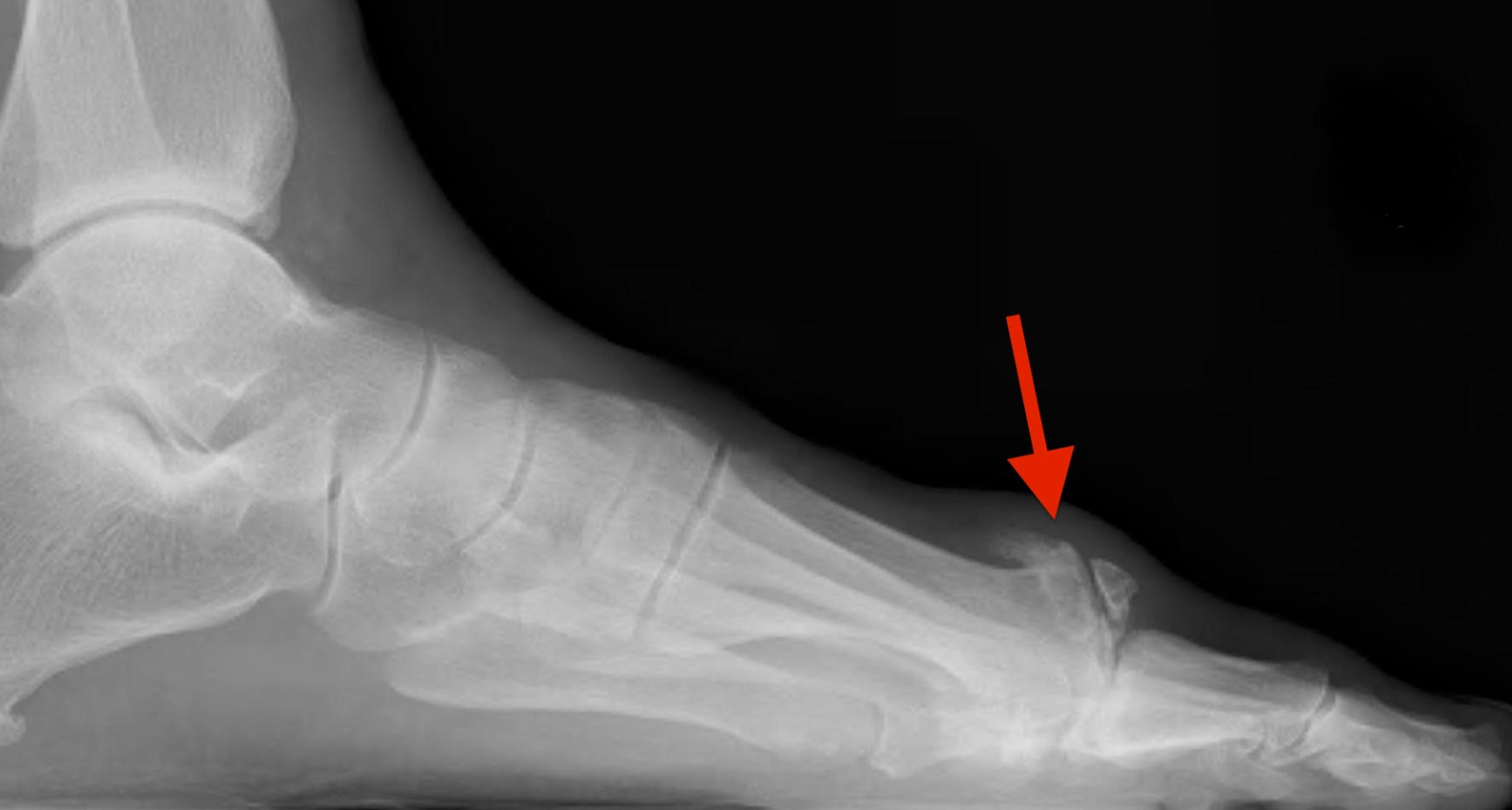
Pain under the big toe joint can be a significant nuisance, and can make walking, squatting, and jumping painful.  This pain is typically due to a common condition called sesamoiditis.  Sesamoiditis is inflammation of one of two small, egg-shaped bones found under the big toe joint., known as the sesamoid bones.  Every human has them, although some can have sesamoid bones that form in two or three separate pieces.  They provide an assisting role in bearing weight across the big toe joint and stabilizing certain tissue structures around the joint.

Injury to the sesamoids can immediately occur when falling onto the ball of the foot, directly kicking an object that forces the big toe upwards, or a direct crushing blow to the bottom of the foot.  The sesamoid bones can also become injured over a longer period of time when there is repetitive pressure on the ball of the foot from activities such as dancing, as well as during repetitive work-related activities, like pedal use in machinery or platform standing.

Symptoms of sesamoiditis can include a sharp pain or dull ache on the bottom of the big toe joint.  This pain becomes worsened when the toe is flexed in an upwards direction. Any activity that stresses this joint, including walking, running, and jumping, can cause pain.  This is especially true while one is barefoot. The use of supportive flat shoes tends to decrease the pain, while the use of high heeled shoes magnifies the pain. The tissue under the big toe joint may feel swollen or full, and may even be warm to the touch in less common cases.

Sesamoiditis is diagnosed by a simple foot exam, although x-rays and sometimes MRI is used to rule out a more significant injury like a fracture or stress fracture.

Sesamoiditis is treated with anti-inflammatory medicine, either taken orally or injected in the form of a steroid compound (provided no stress fracture is suspected). The big toe joint is supported with padding or specialized inserts to reduce pressure underneath, or by modifying the activity that caused sesamoiditis in the first place.  The use of stiffer-soled shoes is also helpful.  More serious cases may require immobilization in a walking boot or in a cast for up to several months.  Cases that simply won’t heal with any of these measures may require surgical intervention.  Surgical removal of one of the sesamoids is typically effective at eliminating the pain, and is sometimes also necessary when stress fractures or true fractures won’t heal.

While sesamoiditis only involves one small part of the foot, it nonetheless can be very painful and can limit both athletes and simply active people in a significant way.  Fortunately, it can be treated, but the road to recovery can be long if not treated early on and with all the necessary measures to address both the inflammation as well as the underlying cause of this condition.
Can the Achilles tendon harden with calcium?

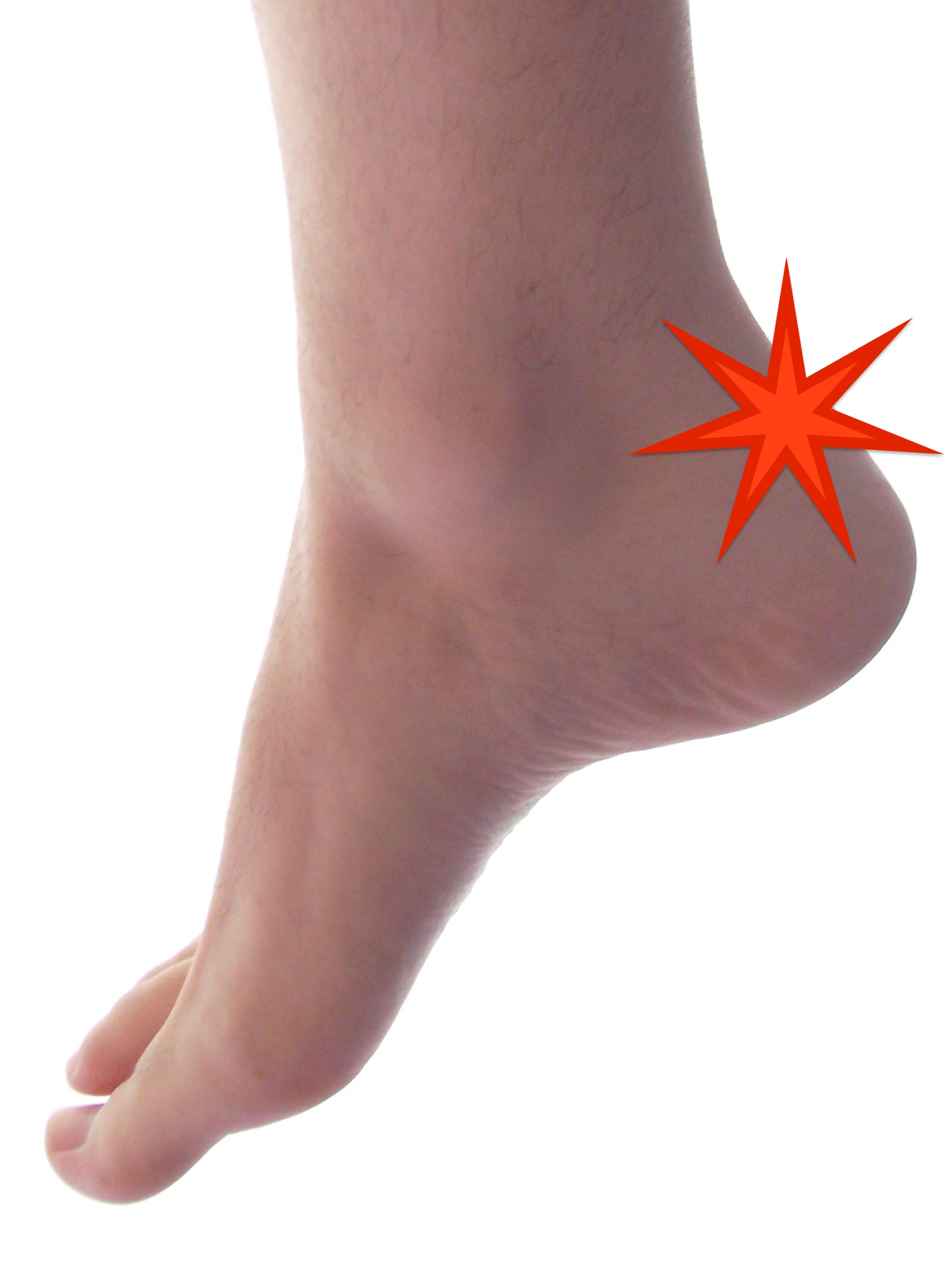
Calcium is a mineral that makes up a large portion of the structure and ‘hardness’ of bones.  However, softer tissue like muscles and tendons can develop deposits of calcium mineral in a process called calcification.  The important Achilles tendon is equally at risk for developing calcification as any other tendon or muscle, and perhaps more so due to its strength and the way it pulls on the heel to bring the foot downward.  This process can start simply due to increased traction on the tendon’s attachment on the heel bone when it is tight, or due to injury to its fibers.  The damaged tissue can eventually host calcium deposits which can be seen on x-rays.  To be clear, this calcification process is not the formation of bone, but rather small groups of calcium that are solid enough to appear on x-rays.  They appear as fluffy white patches small and large across the back of the heel away from the heel bone.  These calcifications can even look like a fractured bone spur if they are grouped close to the heel bone, sometimes leading to misdiagnosis.

The calcifications themselves are not generally a source of pain in the Achilles tendon and heel, but are usually the result of the damage and inflammatory process that creates the original pain.  These calcifications are generally the result of long term tendon damage, and represent a chronic process that began before the calcifications appeared.  However, if a new acute injury occurs to the Achilles tendon after calcification begins, it is possible the freshly injured tendon fibers can be even more irritated by the surrounding calcified tissue.

Unfortunately, there is no way currently to destroy or effectively break up the calcified tissue when it is spread diffusely, and attempts to surgically remove it may lead to further Achilles tendon damage and inflammation.  Smaller areas of calcification can be cut out though, and special graft tissue can be used to reinforce the tendon to help reduce the chance of weakening following such surgery.

Why Does My Ankle Make A Snapping Sound?

Many conditions can cause joint cracking, creaking, clicking, or a general noise that is heard or felt.  The causes range from ligament issues, arthritis, and joint instability.  However, a somewhat unique condition can develop on the outer side of the ankle that can cause a snapping.  There are two tendons that move behind and under the outer bone of the ankle joint.  These tendons, one on top of the other, are collectively called the peroneal tendons.  There is a long one, and a short one.  These tendons help to roll the foot outward, and resist the muscle force on the other side of the foot rolling the foot inward.  The tendons move behind the outer bone of the ankle (the fibula), and stay in place behind this bone via a groove in the back of the bone that is covered with a fibrous band of tissue.

Some people are born with an abnormally shallow groove, a weak fibrous band, or an abnormal muscle position causing crowding of the tendon space, and others injure this area later in life causing the band to rupture and pull a small fractured piece of bone with it.  Either way, the end result is a snapping or sliding of the peroneal tendons over the side of the ankle bone during certain positions in walking.  As these tendons move over the bone abnormally (called subluxation), an audible snapping or cracking sound can be made, and motion can be felt.  If one’s ankle is ‘skinny’ enough, the moving tendons can actually be seen.

This sensation is at its least simply annoying.  However, in many cases there is actually pain present, and one’s activities can be limited as a result of ankle instability and gradual tendon damage from the abnormal motion against and over the bone.  Tendon tears are not uncommon as a result of this abnormal motion.

Treatment of this condition often needs to involve more than just simply supporting the ankle with a brace.  Conservative treatment, especially in athletes and active people, does not have a very high success rate.  Surgery is often needed to either deepen the bone groove, repair the fibrous band that is supposed to cover the tendons, or a combination of both.  Depending on the state of the tendons, some repair may be necessary, and serious cases of tendon degeneration may require tendon reconstruction techniques.  This surgery also involves some form of immobilization after surgery, and gradual therapy treatment until full activities can be resumed.

If you have ankles that snap or crack on the outer side, be sure to see your local foot and ankle specialist.  Simply assuming this problem is a normal part of the life of your ankle can be a serious mistake, and you may end up with a more serious tendon issue than you started with if the damage is allowed to progress.

Four Quick Tips To Protect Your Feet This Winter

As old man winter begins to stir for much of North America, people’s thoughts drift to figuring out how to stay warm and safe.  However, the feet are often ignored in one’s preparation.  Here are some tips on how to keep your feet protected and in good shape this winter.

Injury Prevention

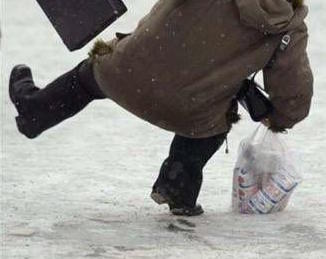
Your feet and ankles are in constant danger of injury in the icy environment.  Sprains and strains are common following slips in the ice and snow, and fractures can even occur with greater frequency.  By ensuring you are wearing the correct shoes for the slippery terrain, exercise slow caution on surfaces which may be frozen or slippery, and avoiding distractions such as carrying loads on slippery surfaces or using electronic devices, you can lessen the chance of injury.  It is also important that your foot and ankle are limber and flexible via stretching. This flexibility will allow for the ligaments of the foot and ankle to accommodate stretching and straining experienced in a slip and fall, and may lessen the likelihood of a serious sprain or fracture from occurring.

Caring For the Skin On Your Feet

People often ignore their foot’s skin as the feet stay enclosed in shoes all day, and hardly make a public appearance.  Beyond cosmetic considerations, the skin of the feet can significantly dry and become cracked.  This is due to the fact that your feet sweat less in the winter than in the summer, to preserve body heat. With less moisture and oil secretion, the skin can become drier, flakier, and eventually areas (especially on the heel) can crack.  Some of these cracks can go deep, and can sometime bleed.  They are nearly always painful.  By moisturizing the feet daily during the winter (some people need to do this twice a day), this can be reduced, and even prevented. Some people also need the use of pumice stones or an emery board after bathing to remove the hard skin build-up that leads to cracking.

Proper Shoes For the Season

It goes without saying that proper shoes are needed during the winter.  In additional to warm, enclosed shoes with an appropriate tread for the slippery surfaces, another consideration is the stability and durability of the shoes.  Older shoes can be dangerous, even if of an appropriate style for the winter.  People wear shoes for far too long, well past  the point most shoes should be replaced. Shoes tend to have greater wear internally where it cannot be seen, leading to instability of the foot inside the shoe.  This can lead to a greater chance of slipping and falling.  External wear including cracks or thinning across the outer covering will not be effective at keeping snow and moisture out of the shoe.  Likewise, excessive wear on the sole of the shoe can allow the same moisture in, and can also make the shoe treacherous to walk on in slippery conditions.

Socks

One last consideration for your feet in the winter involves your socks.  Simply put, socks keep the feet from developing cold damage.  A winter sock needs to be warm and dry. Heavier socks are needed during the winter months as opposed to the spring or fall. Synthetic materials are better than cotton for keeping moisture off the foot during the summer months when the foot sweats, but may not be thick enough for colder temperatures. A thicker synthetic like CoolMax, or even soft wool will provide greater warmth.  You must change wet socks as soon as possible to avoid cold damage to your foot’s skin.  Frostbite and other cold thermal injuries are common in the winter, and it does not take much for these conditions to develop without you being aware.

Follow these tips this winter, and you stand a greater chance of surviving the wintry months with healthy feet ready for the spring.

Do tight shoes cause hammertoes?

I am often asked this question, and see it improperly discussed online and even by medical professionals.  The simple answer is that tight shoes are not the cause of hammertoes, despite popular belief.  Hammertoes, which is a term often used to describe a plethora of conditions in which the toes curl up or rotate, have numerous causes that usually start with abnormal foot structure and imbalance between muscles that pull the toe up and those that pull the toe down.  This imbalance, caused by abnormal muscle pulling that develops from having feet that are structurally closer to extremes of being flat or high arched, forces the toes to curl downward in various ways.  Shoes do not influence the position of the toes and cannot ‘force’ the toes downward, although poorly fitting shoes can irritate the skin and joints of toes made more prominent by the curling.

Can diabetics have bunion surgery?

Bunions can present a problem for diabetics in several different ways.  These problems sometimes make the option of surgically correcting the bunion more attractive than simply leaving it alone.

A bunion is a complicated deformity in which the 1st metatarsal bone at the base of the big toe joint is gradually moved outward towards the skin, making a large prominence on the side of the foot and pushing the big toe towards the second toe.  A comprehensive guide to bunions can be found by following the highlighted link.

The simple issue with bunions for a diabetic is the prominence of the bone against the skin, which can lead to abnormal shoe pressure and a skin wound.  Because the skin is generally stretched thin over this prominence, wounds can quickly deepen to bone, exposing it to bacteria and infection.  A somewhat less obvious issue with bunions for diabetics is the second part of the bunion deformity, namely a subtle inward rotation of the big toe that exposes more of the side of the toe to the ground pressure.  Since the skin on the side is not as thick as the skin on the bottom, a thick callus will result from this pressure.  This callus on the side of the big toe often becomes ulcerated after persistent pressure, leading to chronic wound problems that are difficult to treat due to the rotation acting on the toe.

By correcting the bunion deformity somewhat earlier in this process, these wounds can be avoided, and the risk of amputation is lowered.  Not all diabetics can or should have this elective intervention, as bone and skin must heal after the surgery.  For those in relatively good general healthy and stable blood sugars, this option can be attractive as a means to prevent future problems.

What You Should Do If Your Toenail Rips Off In An Injury

Lifting injuries to toe nails, especially to big toenails, are not uncommon.  However, this injury often does not receive the proper medical care it requires due to the perception that the injury is minor.  While true in many cases, there are times in which this injury can lead to significant complications, and in general many people treat this injury incorrectly from the start.

The toenail is a loosely attached piece of hard compressed tissue that grows from cells located behind the cuticle, under the skin.  The nail cannot stay ‘glued’ down onto the skin below it because it has to move forward as it slowly grows.  For this reason, any injury that catches under the edge of the nail, or smashes down on the nail causing bleeding under the nail can cause lifting of the nail itself, sometimes causing it to tear off completely (or at least close to it).  The natural response by most people is to try and reattach the nail back on the skin through tape, a dressing, or even glue.  Unfortunately, in certain circumstances, this can lead to various problems.  When an injury is strong enough to rip the nail off, it may be strong enough to cause damage to the bone at the tip of the toe, which is near where the nail grows from in the first place.  Toe fractures in and of themselves are generally not serious, but fractures associated with tearing or bleeding of the skin surface underneath the nail can be if the small pieces of bone are exposed to open air.  This can lead to bone infection, which is difficult to treat in the toes and can lead to a partial toe amputation.  This is especially true in diabetics or those with poorly functioning immune systems.

When one has experienced a toenail injury that has caused the nail to lift up or off, it is important to see a physician (preferably a podiatrist) for careful evaluation of the skin under the lifted nail, as well as possible x-rays if a fracture is suspected.  Sometimes the nail must be completely removed to drain blood, inspect the nail bed for bone fragments or tissue tears, or to prevent bacteria and fungus from growing underneath it and causing an infection that may be difficult to treat.  The nail will grow back, although it should be understood that any injury strong enough to lift the nail has likely also injured the nail root, and the nail growth that follows will likely be different forever.  The nail may now grow thick, malformed, or curved inward.  If bone fragments are noted, the area must be medically cleansed, antibiotics must be taken, and proper wound care must be performed under the direction of a physician in order for the area to heal properly and without infection.

One exception to this advice is when athletes like runners have toenails fall off due to bruising under the nail from running.  This is common, is related mainly due to continued toe pressure in shoes while running, and is rarely associated with more traumatic injuries like fractures.

Don’t Ignore Achilles Tendonitis and Pain In the Back of Your Heel

The Achilles tendon- a potential weak point of many an athlete and warrior.  It can hobble the mighty, and make life difficult for anyone unfortunate enough to injure it.  So-named for the weakest part of the great Greek warrior Achilles, who was invulnerable through being dipped into the river Styx at birth, except for the back of the heel where he was held.  Many professional athletes have been felled by this tendon, and many more non-athletes develop his condition with negative consequences to their lives.

The Achilles tendon is a large tendon located on the back of the heel.  It is incredibly important, and imparts a significant amount of the movement the foot has on the leg.  When this tendon is ruptured, walking becomes nearly impossible as the foot simply flops upward when the body puts full weight on it.  Even when only strained, the Achilles tendon can limit walking due to significant pain.  Inflammation of the Achilles tendon, called Achilles tendonitis, is very common and is seen in athletes, older people with chronically damaged tendons, those taking certain medications that weaken tendon fibers, and those with spurs on the back of their heel bones.  Symptoms can either be acute, meaning that they suddenly develop due to a specific injury, or chronic, meaning that the injury has developed over a long period of time due to gradual tendon strain.  The symptoms run a range from a sharp pain to the back of the heel when the foot bends upward, to a dull ache during any ankle motion.

As Achilles tendonitis worsens, the strain placed on the tendon can weaken it, potentially leading to a rupture at the worst and long term pain in the least.  An athlete with Achilles tendonitis can see an immediate and severe decrease in their performance, and non-athletes can see a significant disruption in their daily lives and ability to perform at work.  If untreated, Achilles tendonitis can be long-term and very disabling.  I treat many cases of Achilles tendonitis, and have seen the havoc this condition place on an individual.  If you are developing pain to the back of your heel, stop your activity and rest.  If it continues, go see a foot specialist for treatment.  Even simple tendonitis cases often worsen if not treated properly from the start.

When Should I Have My Bunion Operated On?

Bunions, for those who suffer with them, can be very painful, or may never cause a moment of discomfort.  This foot deformity, in which the base of the big toe is prominent on the inner side of the foot and the big toe itself is angled toward the second toe, has been covered by me in a previous post.  For an in-depth review on bunions and bunion treatment, see my other article explaining bunions.

The big question on many patient’s minds is when should a bunion be corrected.  Fixing a bunion is a fairly straightforward process: it involves a surgery that cuts the bone, moves it back over into a corrected position, secures the bone with a metal screw or pin, and tightens up the supporting tissues.  Healing is generally complete in 6-8 weeks in most cases.  The question that must be answered is ‘what is the optimal time to do the surgery?’  Unfortunately, there is no simple answer.  A number of different factors go into figuring out if a bunion needs correction.  The most important factor is whether or not the bunion is even painful at all.  If the bunion hurts enough to limit shoe use and activity, then yes, the time is probably right to fix it.  If it does not hurt, then surgery may not be necessary.  However, depending on one’s age, other factors may need to be considered.  For example, if one is middle aged, there is a reasonable expectation that surgery in the future when and if the bunion eventually becomes painful may not be possible due to future health problems.  Increasing arthritis in the joint may also force a different kind of surgery that is more involved or has to accomplish a completely different goal like replacing the eroded joint surface.  Younger patients may have to consider job restrictions or family life with young children that may make the recovery period difficult, if not impossible.  Other factors to consider is the reason behind the desire for fixing the bunion.  Bunion surgery will reduce pain and improve the function of the big toe joint and the side of the foot in general.  It will not grant the recipient a free pass to wear exceptional high heeled shoes, restrictive fashion shoes, or other such inappropriate footwear without the consequence of pain or discomfort.

Essentially, there is no opportune time a bunion should be fixed due to the complexity of life.  A good guideline is that if there is pain enough to affect your life in some way, or if the deformity is visible and bothersome enough that you are anticipating and worried about pain or limitation in the near future, then surgery is right for you.  It is a six to eight week inconvenience, but restoration of a more normally functioning foot will reap great future rewards for a lifetime.

What causes the bump on top of my big toe joint?

In this post I will discuss the ‘bump’ some people have on top of their big toe joint.  Many people are aware of the bump some people have along side of the big toe joint, as it goes by the name of a ‘bunion’. What is less known is the cause and treatment of a bump on top of the big toe joint, which is something somewhat different than a bunion.

Firstly, I would like to apologize for taking so long in between posts this past month.  In between very long days in the office, as well as more recently a number of hours spent helping coach my son’s football team, my spare time to post has been limited.  Now that I have more time, I can continue to post articles I hope everyone finds informative.

Back to the topic at hand.  As I wrote above, the cause and treatment of a bump on top of the big toe joint is different than what is traditionally known as a bunion.  Not to confuse things further, but this condition is commonly called a dorsal bunion by physicians, and can actually be seen with a traditional bunion at the same time. However, it’s cause really is from a somewhat different process than the traditional bunion (see the other bunion article on my site for a more detailed explanation of a bunion).

The bump commonly felt on top of the big toe joint is usually due to jamming of that joint from an arthritic process. Arthritis of the big toe joint develops over time due to a number of reasons. Usually, there is some structural abnormality in the base of that joint that allows excessive and premature wear and tear of the joint cartilage. This can include a bone that is too long, too short, angled too high, or angled too low. The motion of the big toe joint becomes reduced over time due to this wear. The reduction in motion of the joint and excessive compression force on top of the joint from it trying to force lost motion causes bone spurring to form. This usually occurs on top of the head of the 1st metatarsal, which is the long bone that forms the base of the big toe joint. The spurs become painful as inflammation develops in the joint below, and also in the tissue that covers the spurs above. What is felt externally is the painful enlargement of the spur below, which is also irritated by pressure from shoes.

Treatment of this condition usually involves surgery, although a steroid injection or anti-inflammatory medication can provide temporary relief. The surgery can be as simple as shaving the spurs down. Unfortunately, this does not correct the underlying structural problem and over time the spurs can reform. What is often needed is a procedure that alters the abnormal bone position, decompresses the joint, and repairs the joint arthritis. There are numerous procedures that accomplish this. Some severe cases of arthritis need a procedure that replaces the joint with an artificial one, or fuses it all together.